
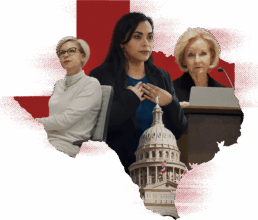
The Life of the Party follows three prominent Texas women—elected Republican leaders with divergent views on the conservative movement—as they confront the soul of their party ahead of the contentious 2024 election cycle.
The Life of the Party follows three prominent Texas women—elected Republican leaders with divergent views on the conservative movement—as they confront the soul of their party ahead of the contentious 2024 election cycle.
Watch the Trailer
SYNOPSIS
The Life of the Party features three Texas women whose political careers illuminate a Republican Party in crisis. Former State Rep. Sarah Davis, once the last pro-choice Republican in the Texas House, reflects on a decade of moderate dissent. Former U.S. Rep. Mayra Flores—the first Mexican-born woman in Congress—leans on her faith to reclaim her seat amid a political realignment in the Rio Grande Valley. And in her final session, State Rep. Geanie Morrison, the longest-serving Republican woman in the Texas House, mourns a vanishing era of civility. Together, their stories reveal the peril for women navigating a polarized political climate in which “moderation” is increasingly seen as a liability.
The Life of the Party captures three voices that map our current political trajectory—an outlier, an outsider, and an old guard. These are the voices of women, a demographic Texas Republicans frequently hail as the “backbone of the party” despite being dramatically underrepresented in elected office. They offer a minority perspective on a majority movement, one driven by religious fundamentalism and the pursuit of partisan power, that is eroding civic norms and shaping US political discourse for generations to come.
Each of these women has defied the odds to hold positions of power in a party intent on legislating their bodies and rights, and they remind us that the spectrum of American values is much broader and more expressive than the ideological bifurcation suggested by our two-party system. Neither party is a monolith, and a brighter future will come from elevating those on either side of the aisle who still find it possible to lay down their arms and reach across lines of difference to push this American experiment forward.
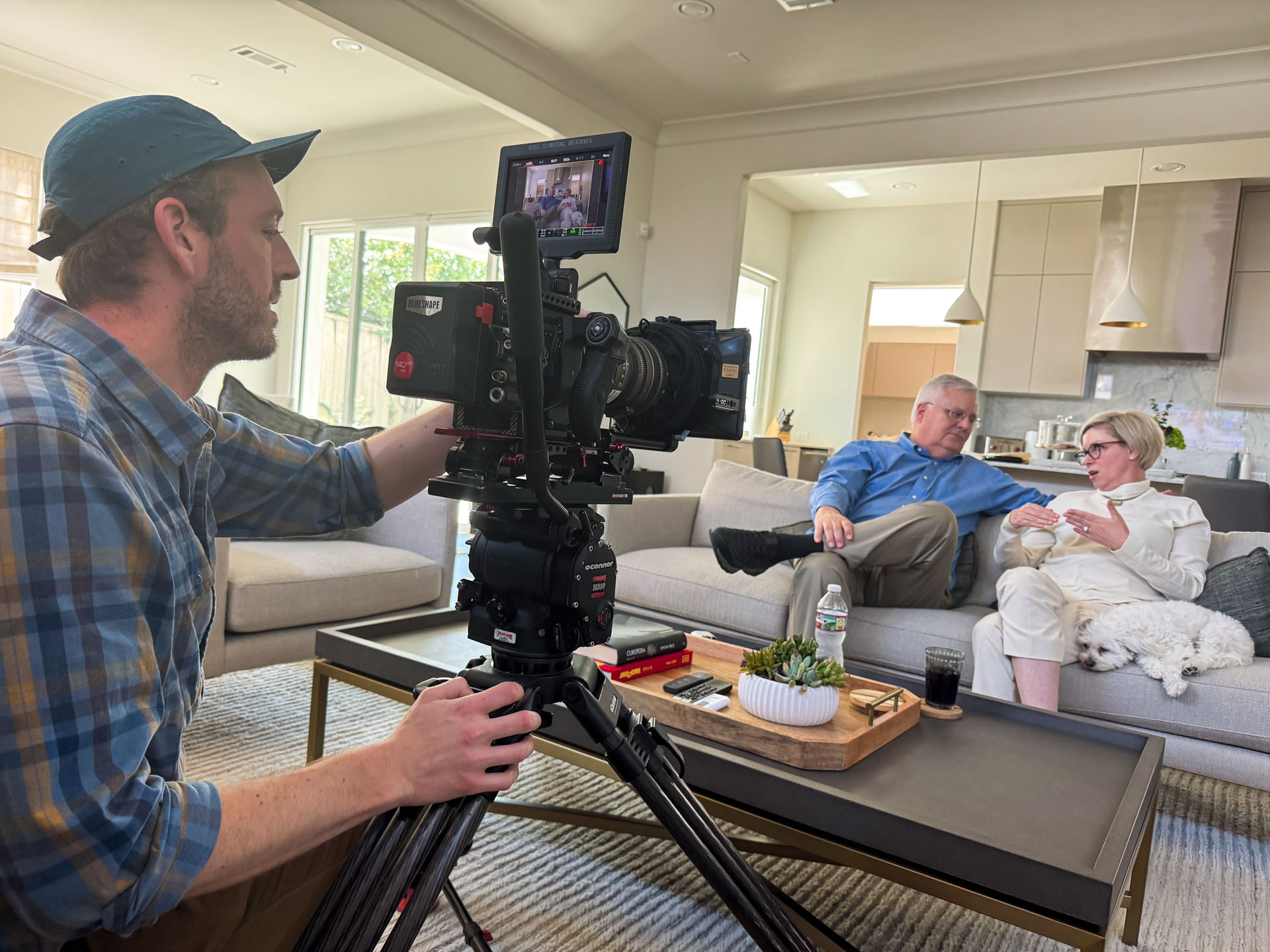
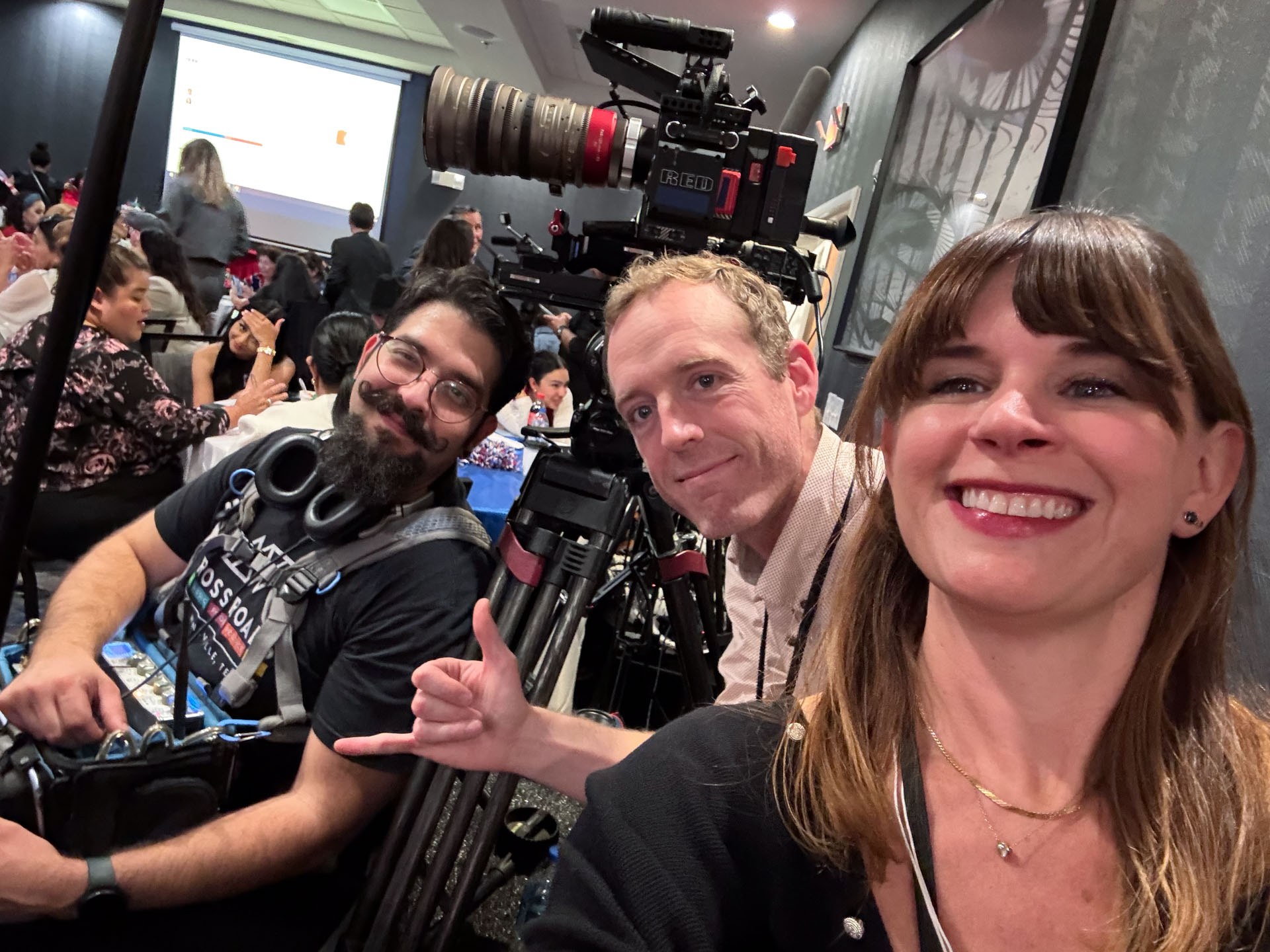
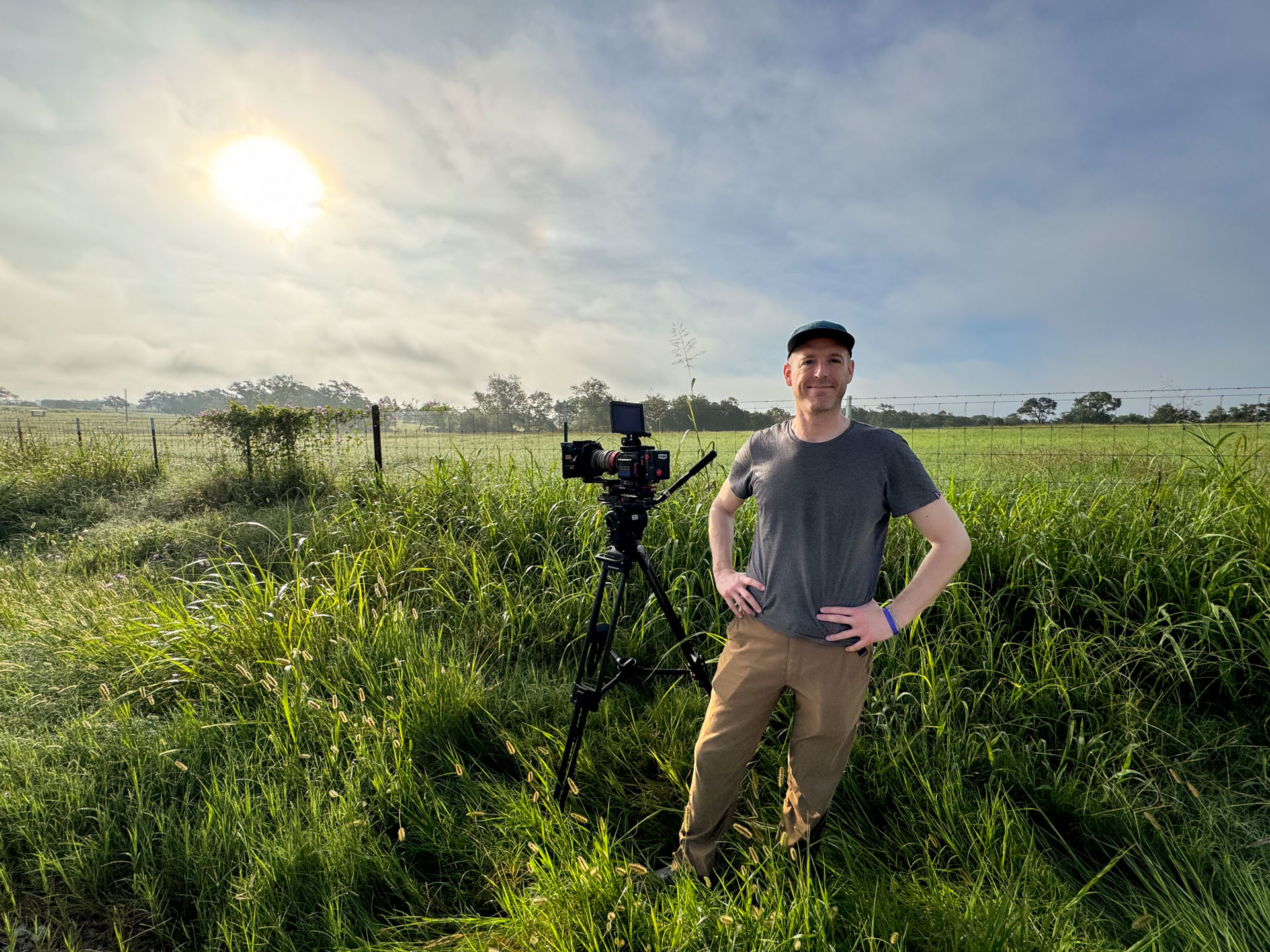
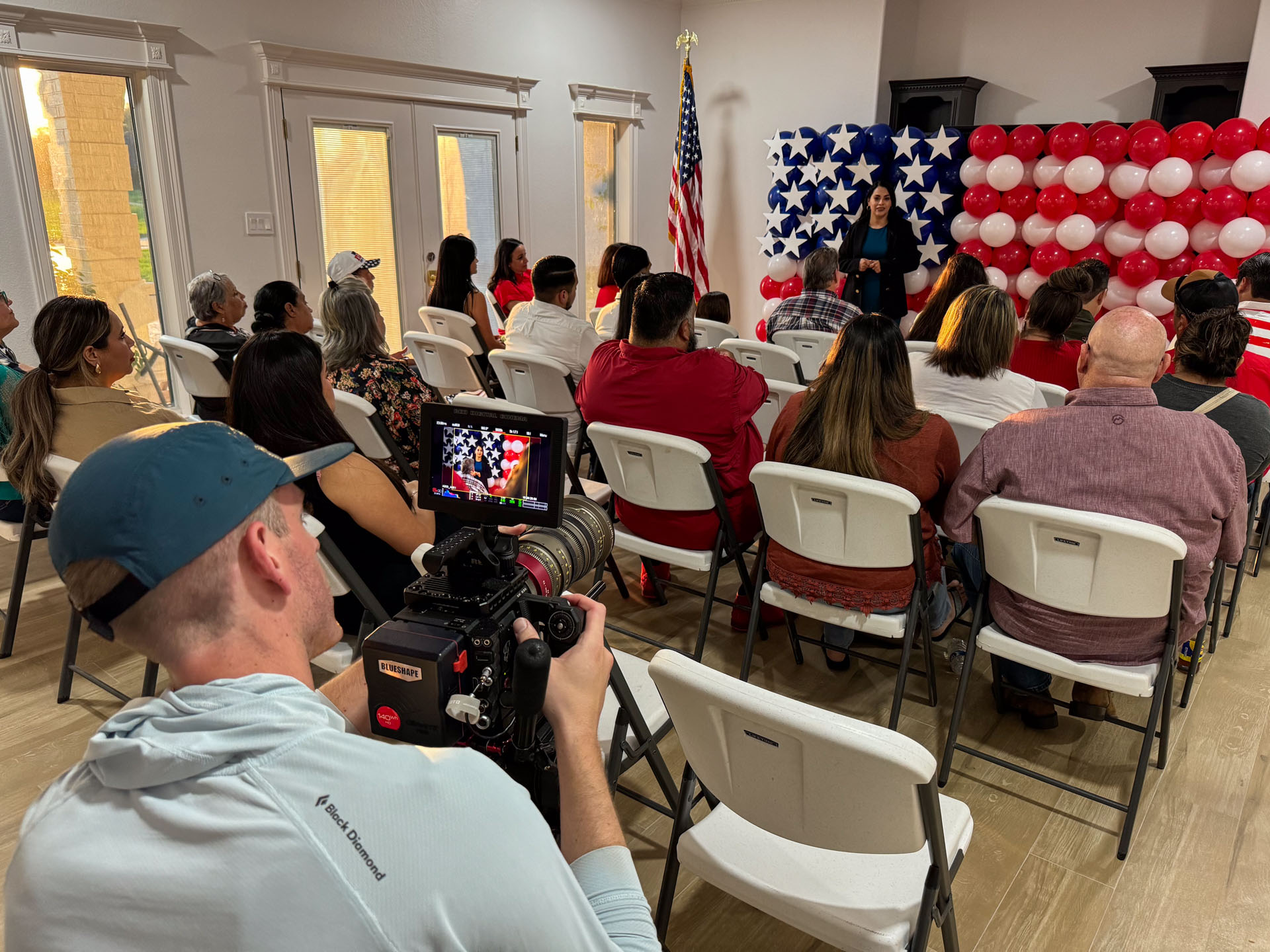
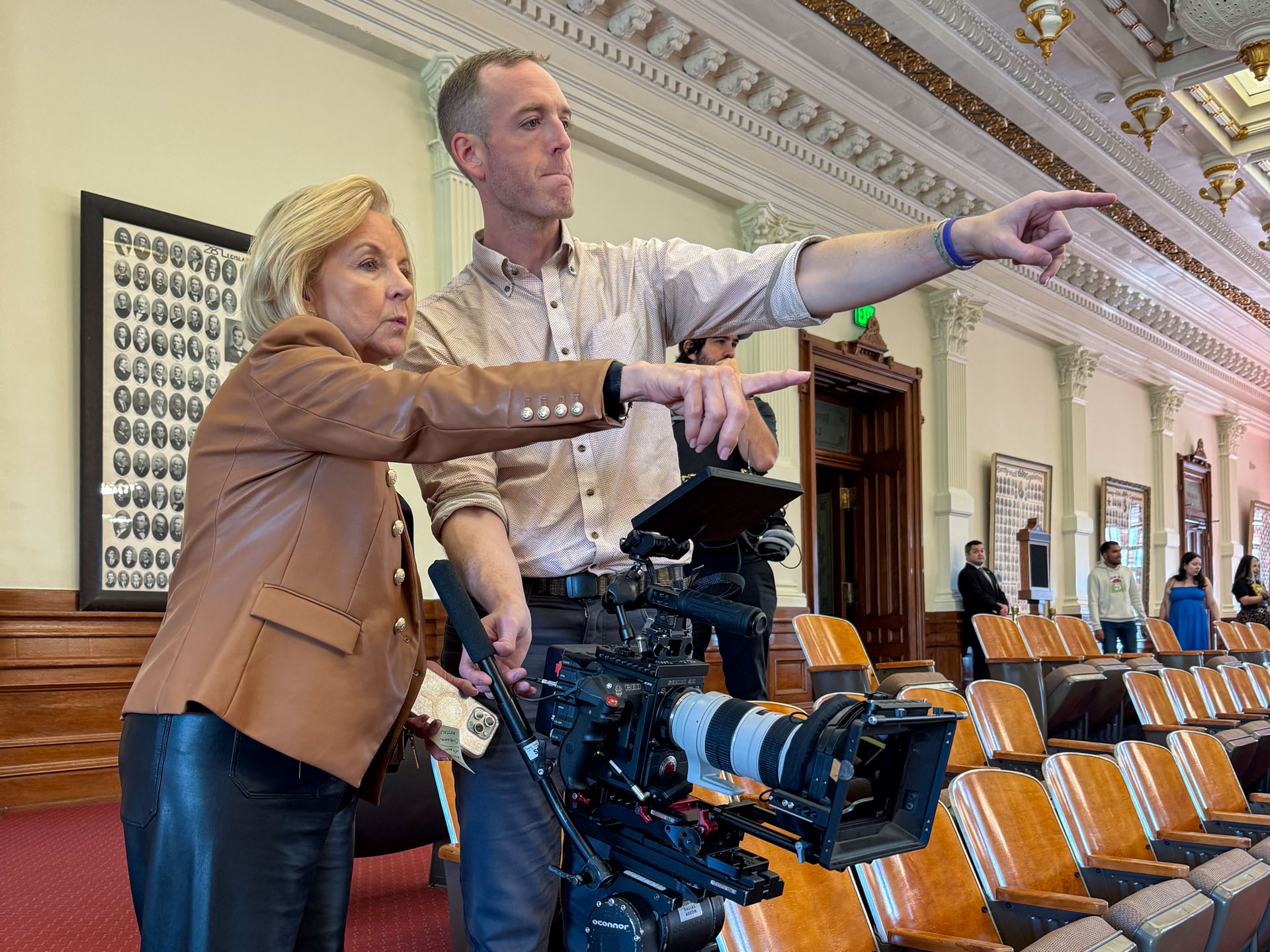
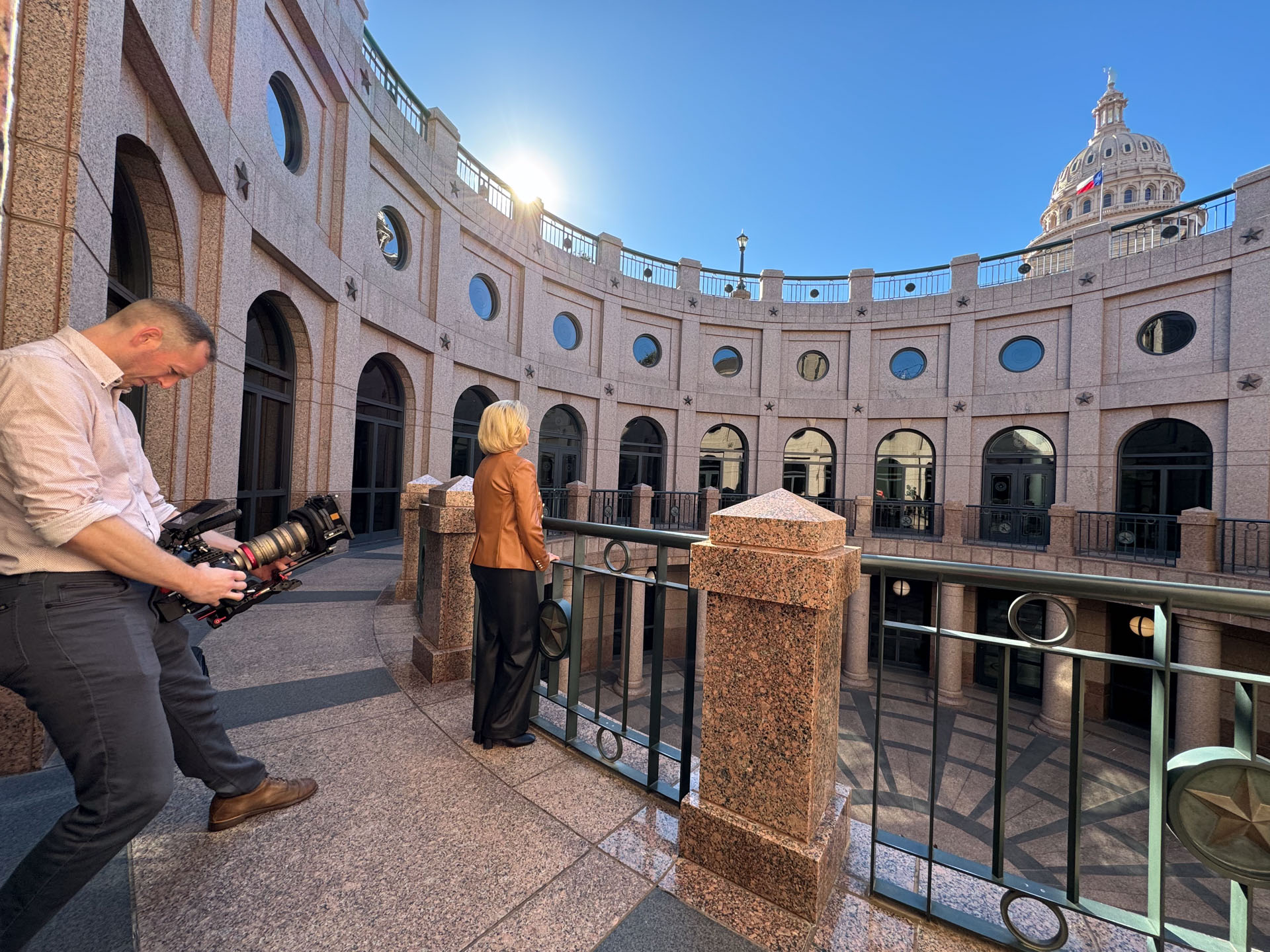
Behind the Scenes


Contact
